Is The Death of Robin Hood the Nail in the Coffin for this Legendary Outlaw?
One day Robin Hood will be allowed to be jolly again. This is not that day.

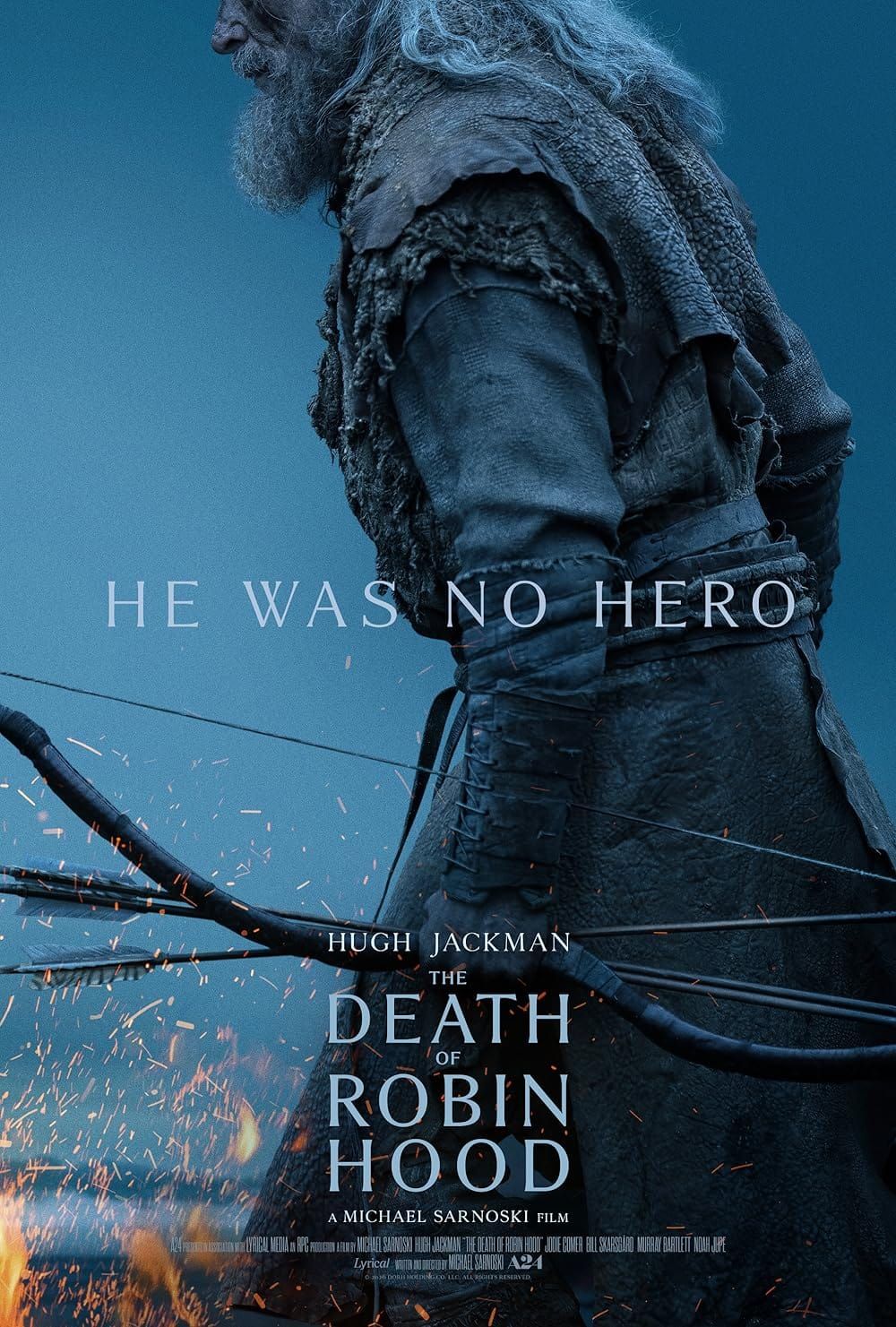
The legend of Robin Hood, heroic outlaw for the people, has been passed down for generations, centuries, and even media. The first image you hold in your head when you hear his name is probably of a jolly man in green tights, nocking arrows, and stealing from the rich.
During the 20th century, Robin Hood gained new fame when Errol Flynn portrayed him on the big screen in The Adventures of Robin Hood and later when Disney released their own version, but as a sexy cartoon fox. In between those two, DC comics created a character named Green Arrow that’s like a darker version of Robin Hood, meanwhile Batman’s sidekick had taken inspiration when designing the character of Robin.
In recent memory Robin Hood has been adapted with a large budget in 2018’s Robin Hood starring Taron Egerton and Jamie Foxx, while Ridley Scott (director of Alien) took a stab at it in 2010’s Robin Hood starring Russell Crowe.
 Cody Enos
The Death of Robin Hood takes a step back from his grandiose exploits previously explored across media. This low budget movie from A24 is written and directed by Michael Sarnoski (A Quiet Place: Day One) – based on the ballad Robin Hood’s Death, one of the oldest existing tales of the legend – with Hugh Jackman portraying an older Robin, telling his final tale.
The first act of this film is filled with gruesome violence. With cinematic whiplash these scenes were far more violent than I had anticipated, for it’s not every day you witness Little John ripping off someone’s lower jaw in screaming rage before a man out for revenge comes along and seriously wounds Robin Hood while everyone is covered in blood, mud, and flames.
The tone and pacing then slows down as Little John saved his lifelong friend and left Robin in the care of a priory while he goes back to his life. The rest of the film is about Robin healing on the island with nuns and other injured outcasts. We learn that the jolly adventures that we associated with the Robin Hood mythos were more fantastical, or romantic, than the truth, and thus Robin must reckon with his legacy on the last days of his life.
Themes of legacy, heroes finding meaning in death, and aging characters made the casting of Hugh Jackman genius. The story almost played for meta-commentary with one of the biggest leading actors in the superhero genre tackling similar themes and stories that he previously did in Logan. For a brief moment it felt like this film tackling a public domain character could have been commentary on how we perceive an entire cinematic genre, but at the end of the day I couldn’t help but scratch my head.
 Cody Enos
Throughout the film I had to pull myself out of the story and ask, “what am I supposed to be getting out of this scene?” The gruesome violence in the beginning is all in-camera. Was I supposed to be horrified that a hero would resort to this level of violence? Was I supposed to think it was cool and treat it like an action film? These thoughts persisted throughout the runtime as I was watching these gorgeous shots unable to come to a conclusion on what the filmmaker wanted me to feel in any scene. Even the quiet, meditative nature of the next two acts had me feeling hollow.
Whenever a character mentions the tales of Robin Hood, they treat him as a boogeyman passed down through generations. This guy wants revenge for his brother, that one his grandad, this one is old, that one is young, and yet Robin cannot escape from the blood that he has spilled for the blood of that blood has come looking for him. Robin’s legacy is blood and he cannot escape the thirst for revenge that he has created on his own accord.
The legacy these stories have told over the last 800 or so years aren’t static. Like comic books, and even Arthurian tales, Robin Hood is a series where many stories comprise his ever-changing legacy. When a new writer or artist comes to a comic book what came before isn’t all retconned. Green Arrow may have had multiple writers and artists, but their stories are all aiding one another in exploring this character across time in a singular weaving narrative.
So, when this film brought up legacy as a theme it wanted to explore, and with Robin Hood having been explored across multiple mediums already, I didn’t expect it to begin and end with violence beget violence. Surely there was more at play, so I kept waiting.
As I waited, I saw beautifully written scenes I could recognize but felt alien toward. Like Robin’s final monologue in the film being something I can recognize as great storytelling while also feeling nothing towards it.
When I walked out of the movie with my coworker, I asked him how he felt, and surprisingly we had similar thoughts about the story. He liked it more than me, but even he said it felt like it could fit a TV episode. Which I was getting that vibe too. I went a step further and said I would have liked this if it were a different medium. I thought maybe a graphic novel or just a novel would have worked a lot better for this story if not a single episode arc of television.
The Death of Robin Hood doesn’t quite reach the heights or depths its title promises. It takes a public domain character and tries to weave a gritty commentary around it that we’ve seen elsewhere, even from Hugh Jackman’s filmography, to confusing results supported by some good acting.