The Martian: An Expert at Adaptation

Movies have turned to books for adaptations since the beginning. As the decades rolled along movies found source material in comic books, video games, and true events but books have always been their main source of material when it comes to adaptations. In 2015 they made a movie based on the book The Martian and it's one of the best adaptations in the modern era. Written by Drew Goddard, The Martian expertly navigates the novel's intense details of math and practical theoretical survival techniques while presenting a breezy story accessible to everyone.
The book, which came out in 2011 and is written by Andy Weir, focuses heavily on Mark Watney and his predicament. Each chapter consists of entry logs where he types the events of each day, breaking down the science of how he's going to need to survive. It takes a bit until the book focuses back on Earth and mission control starts to realize that he is in fact alive on Mars, but it takes even longer for them to do anything about it which makes their roles fairly secondary to Mark's incredible journey. In the book's perspective the goal is to follow Mark, use science in plausible ways that are interesting and survivable, and then bridge the next steps in plot by briefly focusing on the Earth characters.
The film smartly balances the two locations with ease. While Mark's log entries take up most of the book the film condenses his trek and highlights the important aspects of his survival while also putting more focus on the folks back on Earth which gives the story a more emotional tether. By focusing more on Bruce's team and Vincent and Mitch the stakes toward Mark feel more realistic on a human level and their constant workflow showcases the determination and expense of willpower going into his rescue. In the book there is little connection to the Earth characters, they merely serve to advance the plot.
The next change that the film decided to do was Mark Watney himself. While still retaining his sarcastic playful side the film gives his character more maturity so that it's believable that he has a cool head and can control himself even though he is freaking out on the inside. The book, however, has Watney's personality turned up to an 11, and you can hear the 6th grade glee he usually oozes when talking about things not related to math and survival.
A great comparison is when Mark establishes communication with NASA for the first time and learns that they still have yet to tell the Hermes crew of his survival. In the book, after Vincent told him to watch his language he responds with a "Look! A pair of boobs! -> (.Y.)" but the film deals with it in a much different way. Playing with the PG-13 rating they set the scene up by showing Mark's reaction from outside the rover he's communicating in, allowing the audience to see him mouth the word "Fuck" and "What the fuck" over and over again. Then it cuts to him typing which cuts to NASA's control room as everyone is in shock and shacking their heads at what he wrote. This works infinitely better because A) it doesn't sound childish and leaves it up to the imagination, and B) it shows the distrust he has toward NASA while continuing the tense buildup between the political and moral views the film will go back and forth on. This change in personality is also essential to his character arc as he's consistently a sarcastic, sometimes sassy, A-hole in the book but conversely is rewarded with his breakdown in the film just before launch. Set up earlier in the film when he had the hull breach in the HAB his growing PTSD that he shoved deep down in order to survive burst through his proverbial wall in order to survive like a broken dam in the most emotional climax the film has to offer, which Matt Damon played perfectly.
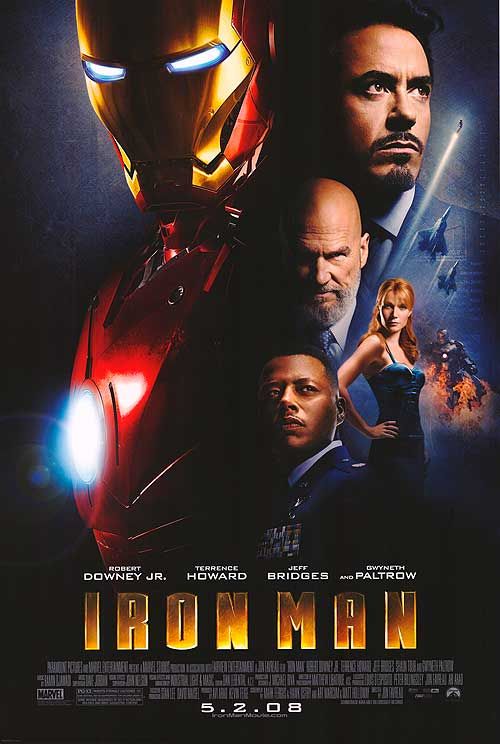
Similarly, the script includes many slight deviations from the book as one would expect, but each decision is in service of the story. Those who have read the book would have noticed that Teddy was reading a speech out of a red folder at the beginning of the film, a nod to his blue folder vs red folder speech that's addressed a few times in the source material. They also cut out a chunk of the third act where Mark loses contact with NASA and is driving into a dust storm. The book sets it up as a great tense moment, but again the script navigates around it because it does nothing except delay his arrival and NASA becomes useless as they watch on. With the addition to Earth's story presented in the movie for that emotional moment it makes sense to cut back on Mark's journey, especially when it revolves around a section that doesn't affect the overall narrative. And probably the biggest change that readers would have noticed is Mark's decision to go full Iron Man in the third act. While the book may have had a better way of dealing with it, the Iron Man approach certainly made for a good "oh my god what is he thinking" moment as he desperately tries to get back to his friends.
And finally, unlike the book, the movie gives a little epilogue on what happened to everybody after rescuing Mark. Some crewmates stayed on Earth with their families, others ventured back into space, but Mark turned out to be a teacher. He goes over his most asked questions, and basically gives the perfect cap to his story by giving the audience the assurance that he's okay, and he'll be using his knowledge to better the up and coming astronauts of the future. Every detail added or subtracted from Andy Weir's original novel is perfect and makes an emotional and streamlined version of The Martian.
With Ridley Scott directing and Drew Goddard writing the combination is near perfect for what they were able to accomplish. To take a science heavy book and boil it down to something everybody can understand in a two and a half hour film that feels shorter than it really is is nothing short of impressive. In this modern era where filmmakers are adapting at furious speeds it's incredible to see an adaptation that not only understands the source material, but delivers a damn good adaptation that may have even surpassed it.
 Cody
Cody