Why Studios Need Short Films

While big-budget blockbusters and cinematic universes were the main draw pre-2020 when it came to movie theaters, studios were still having a hard time getting people to come out to see and talk about their smaller budgeted movies. Now with the theater landscape reshaping to survive, like many other aspects of life, it'll now be even tougher for studios to earn back their money in a theater capacity when streaming services have had such an upgrade during their downtime. However, there is a small glimmer of a chance to draw a slightly bigger crowd when it's safe to go back to theaters again, and that's through the power of short films.
The history of cinema started in a short format. The silent era perfected short films. And yet, when looked at today short films are either a test for up and coming filmmakers to have their foot in the door, or a test to showcase how far animation has come within Disney and Pixar. Blockbusters have grown longer over the last decade where now it's almost expected for them to run 2-2.5 hours, and yet as a culture our attention spans seem to have gone down. That's a discussion for another post wholly unrelated to film, but it does beg the question of why studios are not using our short attention spans in clever marketable ways to earn them more money?
The name of the game around Hollywood is shared cinematic universes. According to them, we need franchises, we need crossovers, we need nostalgia, but what they produce is expensive and thus costs audiences an arm and a leg, heck maybe both legs if you're a family, to have this particular experience. The only marketing in regards to other products by these studios come in the form of trailers. Some people love sitting through fifteen minutes of these while others deliberately wait long enough to skip them before entering the theater. There is also the problem of false advertisement in regards to trailers. A common complaint is that trailers show too much, but also that they give off a different vibe and perspective of what the movie actually is (Ex. Suicide Squad). For most of the general audience, trailers before their movie is their prime marketing exposure to these products and even then studios are maybe hitting half their audience even they're lucky enough to remember their favorite trailers 2.5 hours after watching them.

What most of the audience does talk about though are the short films in front of Disney and Pixar movies. With the exception of the terrible idea of placing a thirty minute Olaf short in front of Coco, whenever they showcase a short film it's received generally positively. Even with the backlash of the Olaf short, it still made headlines. It made the general audience aware of their product. These shorts are not just a show of what new animation these studios are working towards, but a way to connect to audiences in a short and meaningful timeframe.
Through this timeframe, studios can market their content strategically. Let's say Avengers 5 is coming in two years (hypothetically), an interesting marketing strategy would to have a few short films in front of Disney's other films that they have less faith in, and that connects and make hints at what to expect in Avengers 5, making Avengers 5 not only in the headlines for a longer period of time, but also their smaller film that they put the short in front of will get recognition it otherwise wouldn't. In fact, Disney already started doing this when they released Onward last year. In front of that film they had a short film called "Playdate with Destiny," featuring The Simpsons. This not only cemented Disney's take over of 20th Century Fox to the general audience, but it was also a marketing strategy for their streaming service, Disney+. Plus, it was big enough to be trending on Twitter with word of mouth being fairly positive.
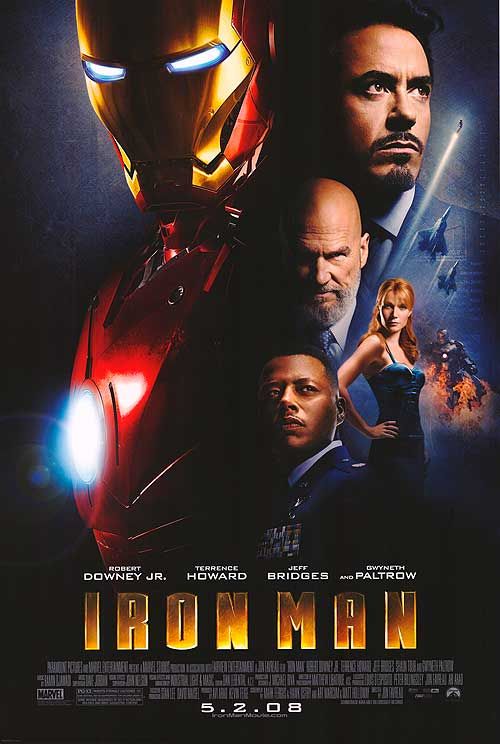
One can go back even further and say that Marvel already did this during their first two phases of movies where each Blu-Ray release contained a short film that expanded their cinematic universe in small ways that fans are still waiting on. For instance, Iron Man 3 had a short film about the fake Mandarin in jail and revealed that there really is a real Mandarin still out in the world. Some of these shorts are just for fun while others help clean up Marvel's retcon tweaks, but the die hard fans will always look back on them fondly as if they were cherries on top of their ice cream sundaes.

A year before that, Universal put out a surprise short film in regards to their Jurassic Park universe. "Battle at Big Rock" didn't contain any major plot reveals in regards to the upcoming third Jurassic World movie, but what it did achieve was worldwide interest in a property that had mixed reactions. The amount of good will that people were showing towards this short film gave the studio a nice cushion for their marketing and reignited interest into a property that was starting to cool off. People were talking about this and the upcoming third film for days.
Both of these shorts were trending when they were released, and arguably had bigger receptions than their respective movies. The short format is easily digestible and gives you a great feel of what to expect with their universes. They're not as untrustworthy as trailers and they provide a much wider appeal of excitement when it comes to advertising. That is why studios should look toward their short films as a marketing strategy. Back in the day, people would go see a film because that was the only way to see a specific trailer they were interested in. Make short films this era's trailers.
There will be a lot of changes to the landscape of cinema within the next two years. Budgets will most likely go down, intellectual property will most likely go up, but at the end of the day the same problem they had pre-2020 will arise again, and that's marketing. Trailers have been perfected into a formula for editors at this point that their value has shrunk to the point where they'll be talked about for a weekend at best. But, if studios shift their marketing into short films to display to a wider set of audiences what is available in their catalog, it could provide a viable option that is talked about for weeks, or even a month. The older Pixar shorts are still looked at with fond memories, apply the same love to these new fictional/tie-in short films and people will connect to upcoming movies in a whole new way, like how audiences connected to movies back at the dawn of cinema.
 Cody Enos